THE POLITICAL HISTORY OF SIKKIM

The North East small state Sikkim has its unique political history. On May. 16. 1975 Sikkim become the official 22nd state of India. In the political leadership of Indira Gandhi. The first local political party ruled sikkim was Sikkim National Congress on the leader ship of Shri Kazi lendup Dorjee.
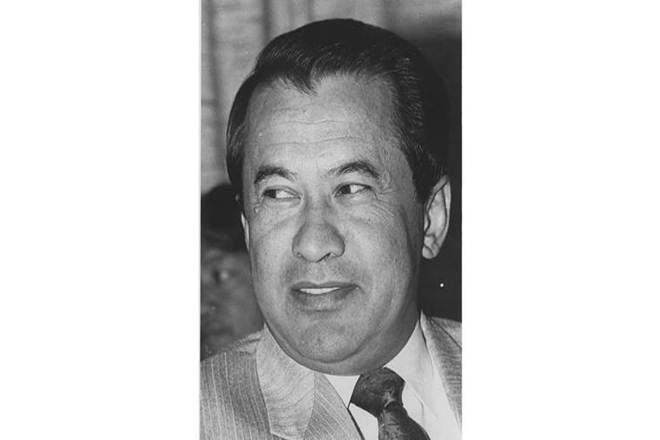
The government was officially appointed on 6 may 1975 ruled up to 18 August 1979. Gradually Sikkim was in first verge of political record the Sikkim National Congress was defeated by Sikkim Janta Parishad and take over the in 18 October 1979 on the leader ship of Shri Nar Bahadur Bhandari .

After its full five years till 11 may 1984 Sikkim sangram Parishad ruled government again during its second election Sikkim Jantya Parishas won the election becoming the first party that won the election twice in sikkim. Later Nar Bahadur Bhandari was defeated by Shri Pawan Kumar Chamling in election of 1994 and ruled sikkim since time to 25 years till 2014 election

SIKKIM AND IT’S HISTORY

Introduction

Sikkim an small very tiny state of india, also a part of seven sister of North East is famous for its renounce tribal culture massive forestry. All of our Indian friend hardly knows about northeast and also sikkim. They believe sikkim and North East to be an inhabitants of tribals but my friend among North East I m talking about sikkim today, Sikkim has and very different history and so it has its isolated present today. Sikkim was an full fledged kingdom sharing border with Bhutan, China, Nepal, and India with its environment situated in vally’s and terrains of hills of Kanchenjunga. The people living here were from two basic communities lepcha and bhutia. As already said because of its terrain landscape they were unknown to basic facilities. The history of sikkim starts form the Namgyal dynasty ruled by Chogyal Phuntsog Namgyal, in 17th century. followed by its inheritance and later Sikkim was over taken by British India from the hands of last ruler of Nyagyal dynasty Pallet Thondup Nyamgyal. This land of lepchas is also famous for its myth like heaven reaching stairs locally known as ‘Swarg janaa Seree’.

Myth History of sikkim

By 1641 the Lepchas, the Limbus and the Magars were ruling in different villages independently. The Limbu and the Magar tribes lived in the remote Western and Southern regions. In the early 17th century the Bhutias were forced to take refuge in Sikkim due to the conflict between followers of the Yellow hat and the Red hats in Tibet. The Bhutias tried to convert the Sikkimese worshippers of nature to Buddhism and succeeded to an extent The Tibetan Lamas sought to establish Sikkim as a Buddhist Kingdom thereby electing a Lhopa King of Tibetan origin.
In 1642, the fifth generation descendant of Guru Tashi, Phuntsog Namgyal was consecrated as the first Denjong Gyalpo or the Chogyal (king) of Sikkim by Lhatsun Chhenpo, Nga-dag Lama and Kathhog Lama, three great Lamas who came from the north, west and south to Yuksom Norbugang in West Sikkim.The event, Naljor Chezhi, was as predicted by Guru Rinpoche some eight hundred years before. The Dalai Lama sent the new Chogyal a silk scarf, the mitre of Guru Rinpoche and a sand image of him as a coronation present. However the Limbu and the Magar chiefs refused to accept the rule of the Chogyal who had to bring in Tibetan soldiers to subdue them.
This historical gathering of the three virtuous lamas is called Yuksom, which in Lepchameans ‘The Place where the Three monks met’ as in Lepcha a lama is called a “Yukmun” and the word for three is “Som”. The Chogyal, along with the three lamas proselytised the Lepcha tribes into Buddhism and annexed the Chumbi Valley, the present-day Darjeelingdistrict and parts of today’s eastern Nepal.
Shortly after his coronation the new Chogyal appointed 12 kalons or ministers from the Bhutia community and split his kingdom into 12 Dzongs or administrative units, which each contained a fort. Individual Dzongs were headed by a Dzonga drawn from amongst the Lepchas. The lands of Sikkim were leased as gifts to kazis and thikadars who in turn leased sub-plots to peasants at high rents. Mandals(headmen) and karbaris (assistants to the mandals) were employed by the kazis and thikadars as rent collectors and dispute mediators. Out of Sikkims 104 revenue estates, 61 were leased to kazis and thikadars for fixed sums, five were given to monasteries and fifteen retained by the Chogyal for his private us The Limbu chiefs or the Subbas were also given full autonomy of their districts under the King.
Thus Phuntsog Namgyal became the first King of the Kingdom of Sikkim and all the Kirat chiefs agreed to regard him as the supreme ruler. However the Magars did not get along with the Bhutias and left Sikkim after they were defeated in a battle. The King called all the Kirat chiefs and proclaimed that Bhutias or Lhopsas, Tsongs or the Limbusand the Mempas or the Lepchas were all part of one family known as the Lho-Mehn-Tsongwith the King as the father, the Lepchas as the mother and the Limbus as the sons and they were forbidden to fight amongst themselves. The signing of this tripartite treaty of Lho-Mehn-Tsong Tsum was overseen by eight Bhutia tribal leaders, twelve Limbutribal leaders and four Lepcha tribal leaders in present West Sikkim.

Kingdom of sikkim

By 1641 the Lepchas, the Limbus and the Magars were ruling in different villages independently.The Limbu and the Magar tribes lived in the remote Western and Southern regions. In the early 17th century the Bhutias were forced to take refuge in Sikkim due to the conflict between followers of the Yellow hat and the Red hats in Tibet. The Bhutias tried to convert the Sikkimese worshippers of nature to Buddhism and succeeded to an extent. The Tibetan Lamas sought to establish Sikkim as a Buddhist Kingdom thereby electing a Lhopa King of Tibetan origin.
In 1642, the fifth generation descendant of Guru Tashi, Phuntsog Namgyal was consecrated as the first Denjong Gyalpo or the Chogyal (king) of Sikkim by Lhatsun Chhenpo, Nga-dag Lama and Kathhog Lama, three great Lamas who came from the north, west and south to Yuksom Norbugang in West Sikkim. The event, Naljor Chezhi, was as predicted by Guru Rinpoche some eight hundred years before. The Dalai Lama sent the new Chogyal a silk scarf, the mitre of Guru Rinpoche and a sand image of him as a coronation present. However the Limbu and the Magar chiefs refused to accept the rule of the Chogyal who had to bring in Tibetan soldiers to subdue them.
This historical gathering of the three virtuous lamas is called Yuksom, which in Lepchameans ‘The Place where the Three monks met’ as in Lepcha a lama is called a “Yukmun” and the word for three is “Som”. The Chogyal, along with the three lamas proselytised the Lepcha tribes into Buddhism and annexed the Chumbi Valley, the present-day Darjeelingdistrict and parts of today’s eastern Nepal.
Shortly after his coronation the new Chogyal appointed 12 kalons or ministers from the Bhutia community and split his kingdom into 12 Dzongs or administrative units, which each contained a fort. Individual Dzongs were headed by a Dzonga drawn from amongst the Lepchas. The lands of Sikkim were leased as gifts to kazis and thikadars who in turn leased sub-plots to peasants at high rents. Mandals(headmen) and karbaris (assistants to the mandals) were employed by the kazis and thikadars as rent collectors and dispute mediators. Out of Sikkims 104 revenue estates, 61 were leased to kazis and thikadars for fixed sums, five were given to monasteries and fifteen retained by the Chogyal for his private use. The Limbu chiefs or the Subbas were also given full autonomy of their districts under the King.
Thus Phuntsog Namgyal became the first King of the Kingdom of Sikkim and all the Kirat chiefs agreed to regard him as the supreme ruler. However the Magars did not get along with the Bhutias and left Sikkim after they were defeated in a battle. The King called all the Kirat chiefs and proclaimed that Bhutias or Lhopsas, Tsongs or the Limbusand the Mempas or the Lepchas were all part of one family known as the Lho-Mehn-Tsongwith the King as the father, the Lepchas as the mother and the Limbus as the sons and they were forbidden to fight amongst themselves. The signing of this tripartite treaty of Lho-Mehn-Tsong Tsum was overseen by eight Bhutia tribal leaders, twelve Limbutribal leaders and four Lepcha tribal leaders in present West Sikkim.

Modern history of sikkim

With the arrival of the British in neighbouring India, Sikkim allied itself with them as they had a common enemy – the Gorkha Kingdomof Nepal. The infuriated Nepalese attacked Sikkim with vengeance, over-running most of the region including the Terai. This prompted the British East India Company to attack Nepal resulting in the Anglo-Nepalese War, which began in 1814. Treaties signed between British and Nepal – the Sugauli Treaty and Sikkim and British India – Treaty of Titalia, returned the territory annexed by the Nepalese to Sikkim in 1817.

Meanwhile, the British were looking for a route to establish trading links with Tibet. An offshoot of the ancient Silk Road through Sikkim meant that the kingdom was ideal as a transit route. A secondary reason for the establishment of links was to quell the growing Russian influence in Tibet in the context of The Great Game. However ties between Sikkim and India grew sour with the taxation of the area of Morang by the British. An internal disturbance, which began in 1825, gave the British the opportunity to secure the 1835 cession of Darjeeling to British Sikkim in view of its perceived advantages as a sanitorium. Unhappy with this development, Sikkim’s Dewan often frustrated the cessation by denying aid to the British in capturing escaped criminals and offering amnesty for escaped slaves. As compensation for the loss, the British Government paid the Sikkim Raja Rs. 3,000 from 1841 onwards, a sum that was later increased to Rs. 12,000.[21]

In 1849, British doctor Archibald Campbell, then superintendent of Darjeeling, and botanist Joseph Hooker, ventured into the mountains of Sikkim with the permission of the British and the Chogyal of Sikkim but strayed across the Cho La into Tibet. They were detained by the Sikkim government at the instigation of the pro-Tibetan “mad Dewan” T. Namguey, which led to a punitive British expedition against the Himalayan kingdom.[22][21] Although subsequent bloodshed was avoided, the British annexed the whole of Darjeeling district and the Teraiin 1861. In the same year, signature of the Treaty of Tumlong effectively made Sikkim a de facto protectorate of the British.[23]

Alongside “British Sikkim”, “Independent Sikkim” continued to exist as a rump state centred around the capital at Gangtok ruling over 2,500 square miles (6,500 km2) of territory.[24] The former Chogyal was forced to abdicate in favour of his son, Sidkeong Namgyal in 1863.

The Chogyals endeavored to modernize Sikkim in the succeeding decades, along with their army. A state visit to Darjeeling by Sidekong’s half brother, Chogyal Thutob Namgyal in 1873 failed to yield such results, and he returned to Tumlong disappointed. In 1886, the British, interested in trade with Tibet, launched a brief expedition into Sikkim. The Tibetans occupied several of Sikkim’s northern border forts, and the Chogyal and his wife were held prisoner by the British when they came to negotiate at Calcutta. In 1888, the Tibetans were defeated and northern Sikkim came under the rule of British India. The British established new landholdings in Sikkim, but released the Chogyal only to have him captured again in 1891. In 1894, the capital was shifted to Gangtok.

In 1895, the Chogyal was released, but the British governors in India reneged on an agreement – the Ten Clauses Agreement – which returned sovereignty to Sikkim. The Political Officer in Sikkim, John Claude White, refused to return any sovereignty, and only let the Chogyal retain the judiciary of Sikkim.

In 1905, the Prince of Wales – the future King George V – arrived in Calcutta on a state visit during which he met the Chogyal. The two made an excellent acquaintance and the Crown Prince of Sikkim, Sidkeong Tulku was sent to study at Oxford University. When Sidkeong came to power, he arranged widened sovereignty for Sikkim from King George’s government and endorsed sweeping reforms in his short rule as Chogyal, which ended in 1914. In 1918, Sikkim’s independence in all domestic affairs was restored, and in the next decade the kingdom embarked on a policy to end social ills, outlawing gambling, child labour, and indentured service.
Design a site like this with WordPress.com
Get started